Liisa Lail

Liisa Lail is a creative curator at the Estonian History Museum. Her research focuses primarily on 20th-century social history, with particular attention to welfare and the history of medicine. At the Jewish Cultural Autonomy conference, she will give a presentation on the intellectual roots of the idea of cultural autonomy and the historical and social contexts in which these ideas developed.
Gennadi Gramberg
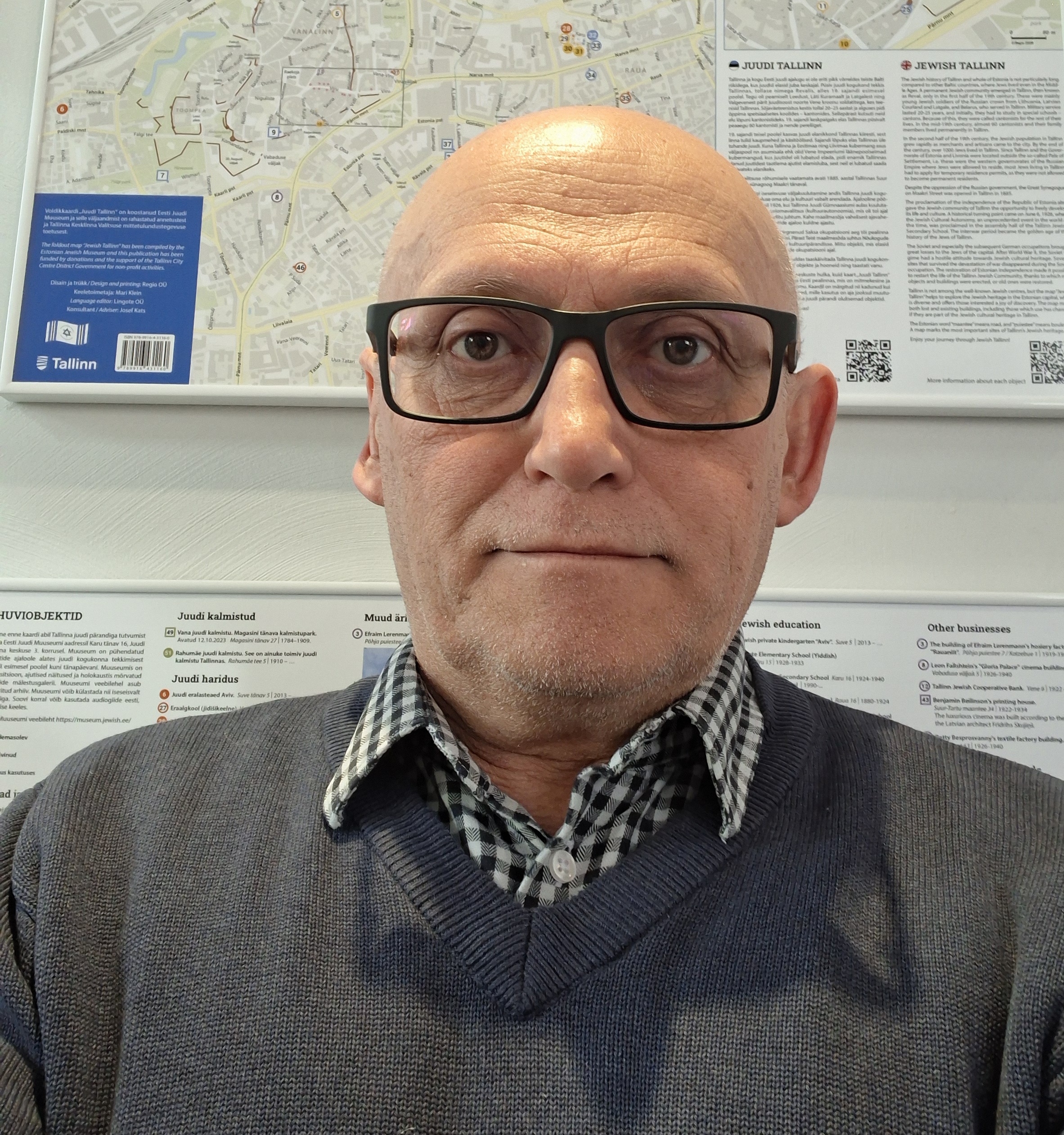
Gennadi Gramberg heads the Estonian Jewish Museum and teaches Jewish history at the Tallinn Jewish School. His main area of interest is the history of Estonian Jews and the Holocaust in Estonia. At the conference "Jewish Cultural Autonomy in Estonia 100", in the preparation of which he was directly involved, he will deliver a presentation on the process of preparing and adopting the cultural autonomy of Jews in the Republic of Estonia, based on archival materials and newspaper articles, and will also present an exhibition on the same topic.
Kaido Laurits

Kaido Laurits is an Estonian historian and archivist whose research focuses on ethnic minorities (primarily the Baltic German community) and cultural autonomy for ethnic minorities in the Republic of Estonia during the first half of the 20th century. He studied at the University of Tartu and the University of Konstanz in Germany, earning a Master’s degree in History from the University of Tartu (2005) and later a Master’s degree in Linguistics from Tallinn University (2022). He also pursued doctoral studies in history at the University of Tartu from 2006 to 2015. He has published numerous research articles and the monograph "German Cultural Autonomy in the Republic of Estonia 1925–1940" (2008). He has given presentations on ethnic minority cultural autonomy both in Estonia and abroad. His academic work has been supported by several international fellowships and research grants, including for research in Marburg, Göttingen, and Berlin, Germany. K. Laurits has been a member of the Learned Estonian Society since 2003. Since 2004, he has worked at the National Archives of Estonia as an archival inspector and archivist.
At the conference, he will speak about the cultural autonomies of the German and Jewish minorities in Estonia, highlighting their differences and commonalities.
Anu Põldsam
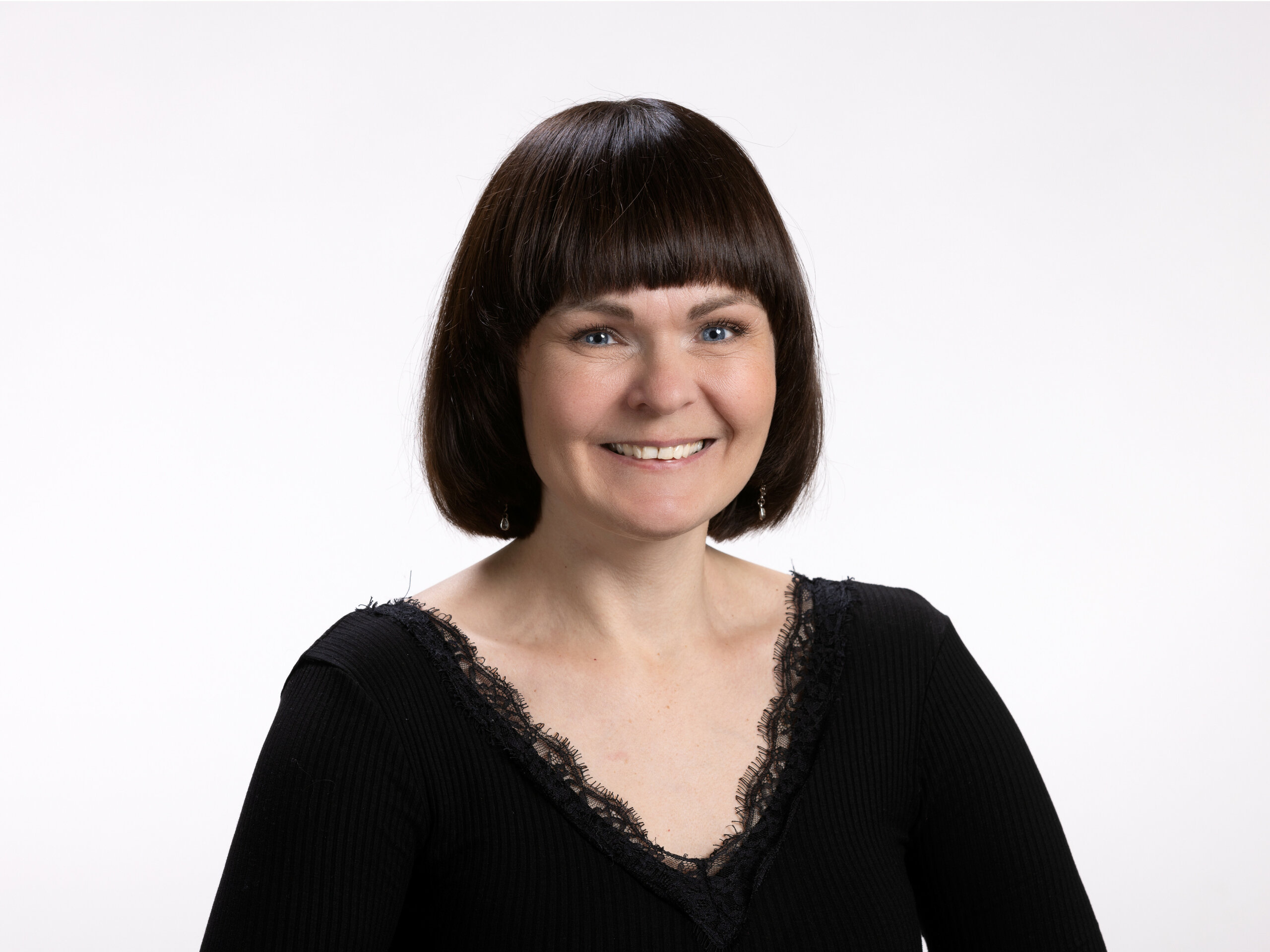
Anu Põldsam works at the University of Tartu as a Lecturer in Jewish Studies. Her primary research areas include the Old Testament and Judaism, 19th-century Jewish thought, and the religious and cultural history of Estonian Jews in the first half of the 20th century. As an instructor, she teaches courses on Jewish religion, identity, ethics, and philosophy, as well as Biblical Hebrew. She translates from German, English, and Hebrew. Her translation work spans non-fiction, popular science, and fiction, including Amos Oz's novel "Judas", Shmuel Yosef Agnon's collection of stories "In the Prime of Her Life", as well as works by Leo Baeck, Gershom Scholem, and others. At the conference, she will speak about the diverse cultural life of the Estonian Jewish community during the years of Cultural Autonomy (1926–1940), which is considered the golden age in the history of Estonian Jews.
Professor David Smith (Scotland)
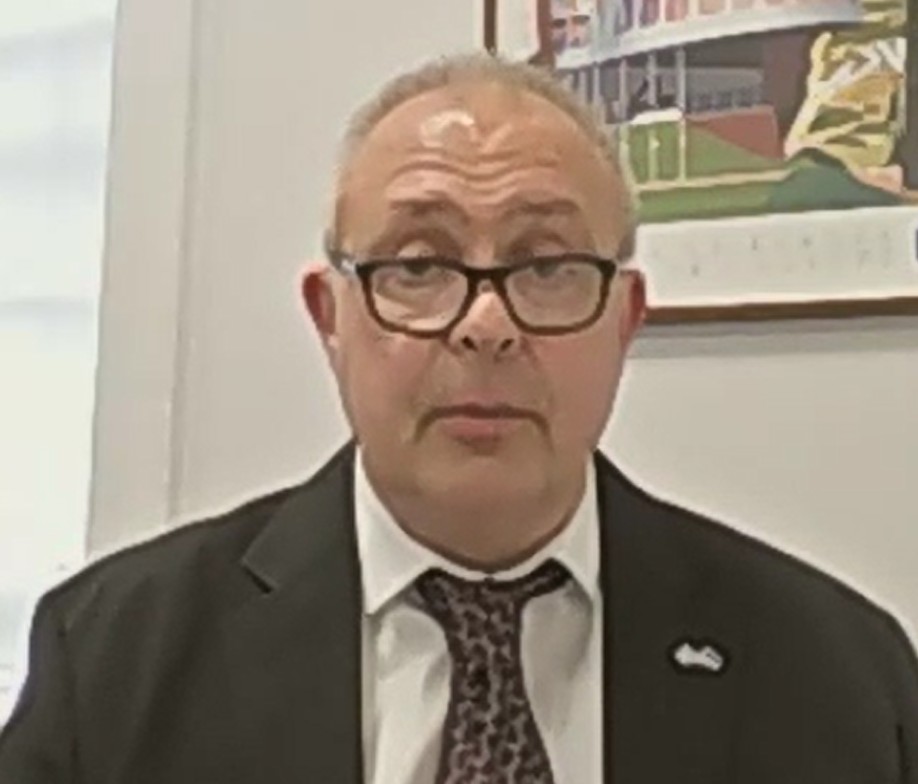
Professor David Smith is Alec Nove Chair in Russian and East European Studies and Editor of Europe-Asia Studies at the University of Glasgow, where he has worked since 2002. In 2009-2012 and 2014-15 he was Head of the Central and East European Studies Subject Group, and from 2006-2009 Co-Director of the inter-institutional Language-Based Area Studies Centre of Excellence in Russian and Central and East European Studies (CRCEES). He also heads the University's Baltic Research Unit (estd. 2004). He has written extensively on issues of nationalism, ethnic politics and national minorities (both historic and contemporary) in Central and Eastern Europe and the former USSR and offer undergraduate and postgraduate teaching and PhD supervision in all these areas. On the conference he speaks through the video about significance of Jewish cultural autonomy in the European context bringing some parallels with similar developments in other Eastern European countries.